Unlock this content
For the PET Pros: at PETIN.AI we provide full-spectrum insights and trend reports tailored to pet-industry professionals.

1. U.S. Pet Plush Toy Market Structure & Major Sales Channels
The U.S. pet plush toy market is anchored in a diverse sales-channel ecosystem: e-commerce platforms, specialist pet retail chains and large-scale general merchandisers all co-exist and contribute significantly.
- E-commerce has grown strongly. According to research, the U.S. pet toys market (which includes toys for dogs and cats) generated about USD 2,129.1 million in 2023 and is expected to reach USD 3,763.4 million by 2030 (CAGR ~8.5 %) in the U.S. alone. Grand View Research
- Although the above figure is for “pet toys” broadly (not solely plush), it underscores the strong digital shift in the channel.
- Specialist pet-chains such as Petco and PetSmart remain critical for plush toys, especially higher-end or premium pet plush toy lines, due to their professional product knowledge, in-store services and brand credibility.
- Big-box and general retailers (e.g., Walmart, Target) also capture a meaningful share — their strengths lie in wide physical footprint, value pricing and one-stop shopping for pet owners who purchase toys alongside food, bedding and care supplies.
In this context, for pet-industry professionals (the PET Pros), understanding how plush toys travel through these channels is key to strategy: online direct-to-consumer (D2C), specialist pet retail and cross-category general retail each present distinct opportunities and constraints.
2. Top-Selling Pet Plush Toy Characteristics & Category Analysis
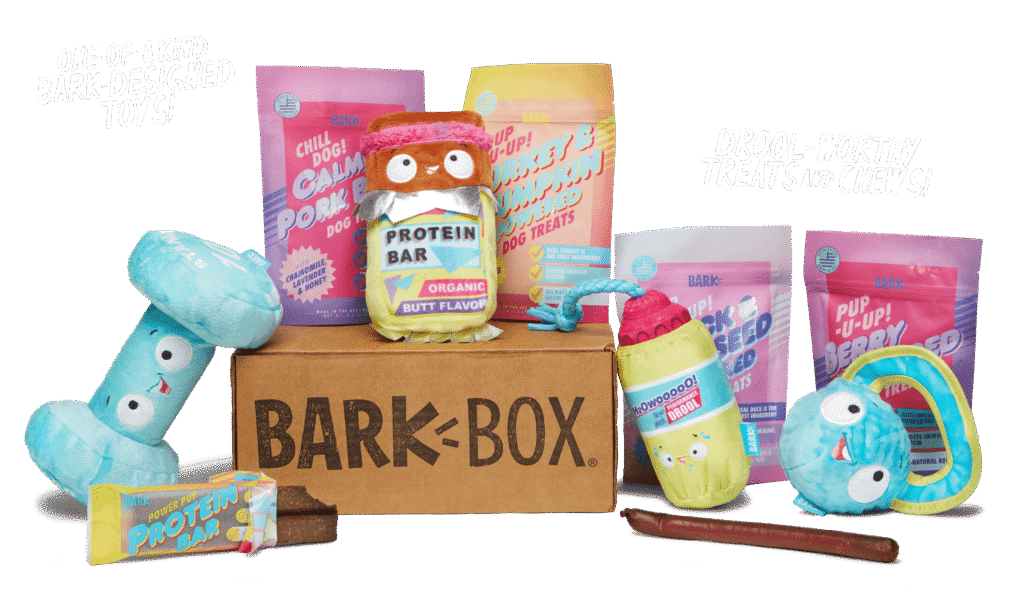
Over the past two years in the U.S., several hallmark characteristics have emerged in bestselling pet plush toys:
2.1 Interactive “sound” plush toys
Plush toys that emit a sound (squeaker, crinkle, voice) when a pet chews or touches them are very popular. For instance, brands like ZippyPaws and Outward Hound offer squeaker-embedded plush toy lines targeted at dogs. These products tap into the owner’s desire for higher engagement and interaction between pet and toy.
2.2 Chew-resistant plush hybrids
Some plush toys are built with a durable core (e.g., rubber) wrapped in plush fabric, combining the tactile softness of plush with the durability required for aggressive chewers. An example is KONG’s hybrid toys. This category reflects demand for toys that last longer, deliver value and reduce risk (e.g., stuffing ingestion).
2.3 Smart & cognitive-development plush toys
“Smart” pet plush toys that incorporate tech (app-controlled, food-hiding, motion) or cognitive challenge elements are gaining traction in the premium segment. As pet owners increasingly view pets as family and look to mental-enrichment toys, these products appeal to those trends.
2.4 Design & emotional-appeal focus
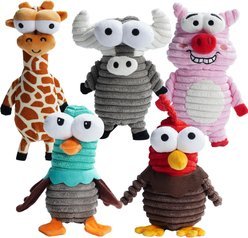
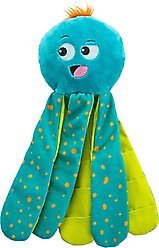
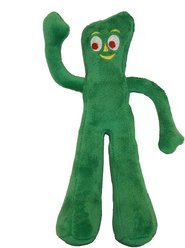
Reflecting the “pet as family member” ethos in the U.S., plush toys are no longer just functional — they also embody emotional and aesthetic value. Plush toys featuring anthropomorphic designs, character-inspired looks, premium finishes or even collectible appeal are seen more often.
2.5 Data snapshot
Although specific plush-toy-only figures for pet-use are scarce, general pet-toy market data helps frame context: the global pet toys market was valued at USD 8.88 billion in 2023 and projected to reach USD 16.81 billion by 2030 (CAGR ~9.6 %). Grand View Research In the U.S., the pet toys market (dogs + cats) was projected as noted above. Grand View Research
Thus, among pet toys, plush toy sub-segments likely capture meaningful and growing share — especially given the emotional/comfort dimension.
3. Historical Evolution of the U.S. Pet Plush Toy Sector

Understanding the historical path of the pet plush toy market sheds light on where the opportunity lies next.
3.1 Birth & early development (early 20th century to 1980s)
In this phase, pets in the U.S. were more functional — guard dogs, pest-control cats — than emotional companions. Plush toys for pets were very basic, limited in design, largely utilitarian and sold through pet-specialty or agricultural-type outlets. The toy designs were simple and pricing low.
3.2 Rapid growth phase (1990s to early 2000s)
As U.S. households started treating pets as family members, the demand for higher quality, safer and more varied pet toys rose. Plush toys saw upgrades in material safety, design differentiation (dog vs cat, small vs large breeds). The overall pet-industry spend escalated in this phase.
3.3 Integration & sophistication phase (2010-present)
From 2010 onward, the pet plush toy sector has entered a phase of brand consolidation, innovation and channel digitization. According to industry data, the U.S. pet toys market is projected to grow strongly (see section 2). E-commerce, direct-to-consumer models and social-media marketing have become central. For plush toy suppliers and pet-industry professionals, this means higher expectations for novelty, safety, durability, aesthetic appeal and value beyond mere amusement.
4. U.S. Pet Plush Toy Market Features & Future Trends
4.1 Distinct features of the current U.S. market
- Pet-human emotional bond: Research shows that over half of U.S. pet dog owners view their dog as a family member, and more than half of cat owners similarly. This translates into higher willingness to spend on premium plush toys that reflect emotional value.
- Channel digitalisation: The shift to online purchasing is evident — pet owners increasingly buy via e-commerce for convenience and selection. For instance, many opt for online for toys rather than visiting a physical store.
- Functional upgrade: Plush toys are increasingly expected to do more — engage dogs mentally, support separation-anxiety mitigation, provide safe chewing options, etc.
4.2 Key future trends for pet plush toys
- Personalisation & customisation: Plush toys tailored to breed size, pet behaviour, pet personality or even owner aesthetic will gain ground. For the PET Pros, offering custom or semi-custom lines may be a differentiation strategy.
- Green & sustainable materials: As consumer environmental awareness rises, plush toys made using eco-friendly fabric, recycled fill or biodegradable components will be increasingly demanded.
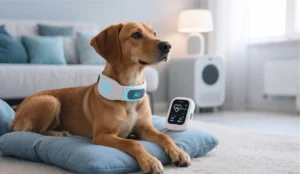
- Health-integration functionalities: Plush toys that integrate features for pet wellness — for example, chewing elements that aid dental health, embedded sensors/tracking or cognitive-training toys — will capture premium segments.
- Omnichannel & social-media marketing: As shopping channels diversify, marketing via social platforms, influencers and pet-content creators will be vital. Plush toys that show up in pet-owner Instagram/TikTok posts will reinforce brand awareness.
- Higher channel sophistication: The interplay between D2C, specialist pet-store, and omni-retail models will intensify. For the PET Pros, aligning toy design, branding and distribution across these channels is key.
5. Strategic Implications for Pet-Industry Professionals (For the PET Pros)
Given the above analysis, if you are a pet-product designer, distributor, retailer or marketer, here are actionable insights:
- Prioritise quality & safety in plush toys: chew-resistance, safe fill, durability matter — especially as owners invest more and expect longer lifespan.
- Leverage emotional appeal: emphasise plush toy designs that resonate with owners (family-member mindset), use premium fabric/finish, link story or character to pet and owner lifestyle.
- Embrace digital and D2C channels: Offer online exclusives, subscription-models (e.g., plush toy of the month), leverage pet-influencers, optimise SEO around “pet plush toy”, “dog plush toy” etc.
- Explore sustainability and technology: Develop plush toys with eco-friendly materials or smart-features (sound, app, hidden treats) to capture premium segments.
- Design for channel orchestration: Tailor product lines for e-commerce (fast shipping, discrete packaging), specialist pet-stores (premium, bundled with services) and mass-retail (value-priced, high-volume).
- Monitor consumer data/insights: Track pet-owner demographics (millennials, Gen Z), behaviours (pets as family), shopping habits (online vs offline) to adapt toy lines accordingly.
6. Conclusion
The U.S. pet plush toy market has evolved from a niche, functional category into a dynamic segment that intersects pet wellness, emotion, design and retail-innovation. With multiple sales channels (online, specialist pet stores, big-box retailers), increasing pet-human emotional bonding, and rising demand for higher-quality, more functional and more sustainable toys, the sector presents strong opportunities. For the PET industry professionals — from product developers, marketers to retailers — aligning product strategy with these developments is critical. Plush toys that integrate emotional comfort, durability, smart functionality and green credentials will likely win in the U.S. market going forward.
As always, at PETIN.AI we serve the pet-industry professionals — For the PET Pros — offering comprehensive insights and trends to empower strategic decision-making.
Disclaimer
This article is provided for informational purposes only and is not professional advice. If there are any data inaccuracies or potential infringements, please contact us at info@petin.ai for correction or removal.