Unlock this content
From FIT studios to living rooms worldwide — Vetreska’s playbook for turning pet supplies into interior design, community content and investor magnetism.
Executive summary: a pet brand that dresses like a lifestyle label
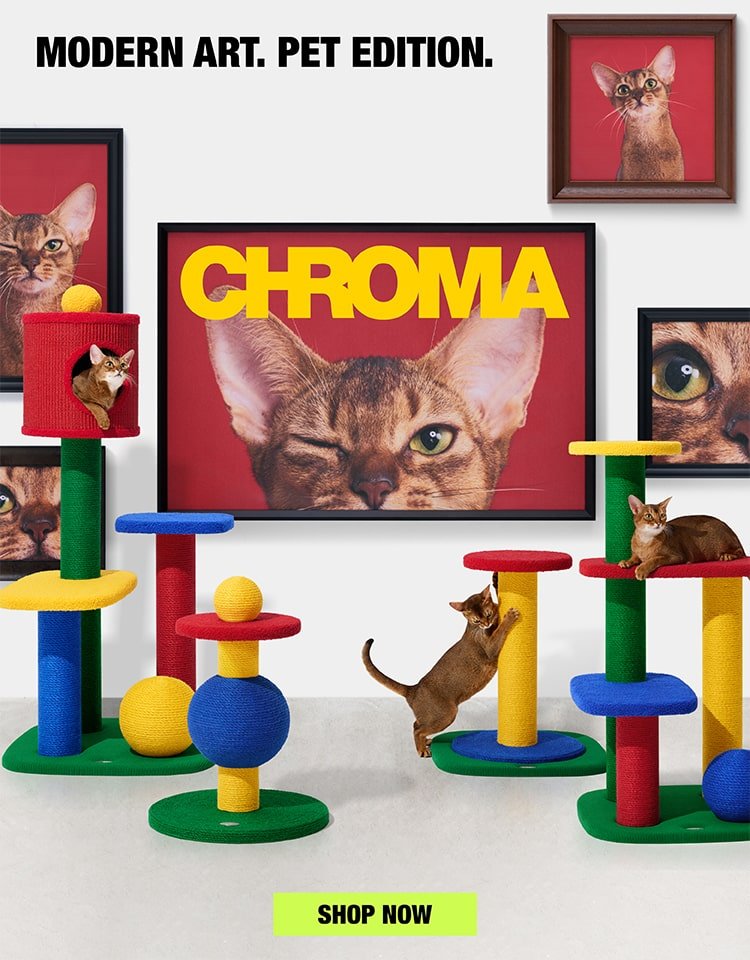
Vetreska — founded by Donald Kng and Nico Li in 2017 — has rewritten expectations for pet supplies by marrying fashion-school aesthetics with functional pet furniture and emotionally resonant content. What started as niche snack experiments evolved quickly into pet furniture and lifestyle products (notably whimsical cat trees and designer litter boxes) that play well in modern homes and social feeds. That positioning helped Vetreska scale internationally, attract tier-one investors, and create a repeatable model for other pet brands that want to trade on home aesthetics as much as product specs. KrASIA+1
Why the timing worked: structural shifts in pet commerce
- The global pet supplies market has entered a maturity + premiumization phase: consumers increasingly treat pets as family members and buy lifestyle, health and design-forward products (not just food and basic supplies). This macro trend amplified Vetreska’s premise — that pet items can (and should) be beautiful home objects.
- As functional smart gadgets proliferate, product feature sets began to converge. Vetreska’s leverage: differentiate through aesthetic integration with home décor and emotionally framed marketing, rather than a feature arms race.
(Industry context: pet humanization, premiumization, and visual commerce drove the market opportunities Vetreska exploited — see market coverage and consumer behavior reporting for 2020–2024.) petnewsbrief.com
Founders & origin: fashion training meets pet care

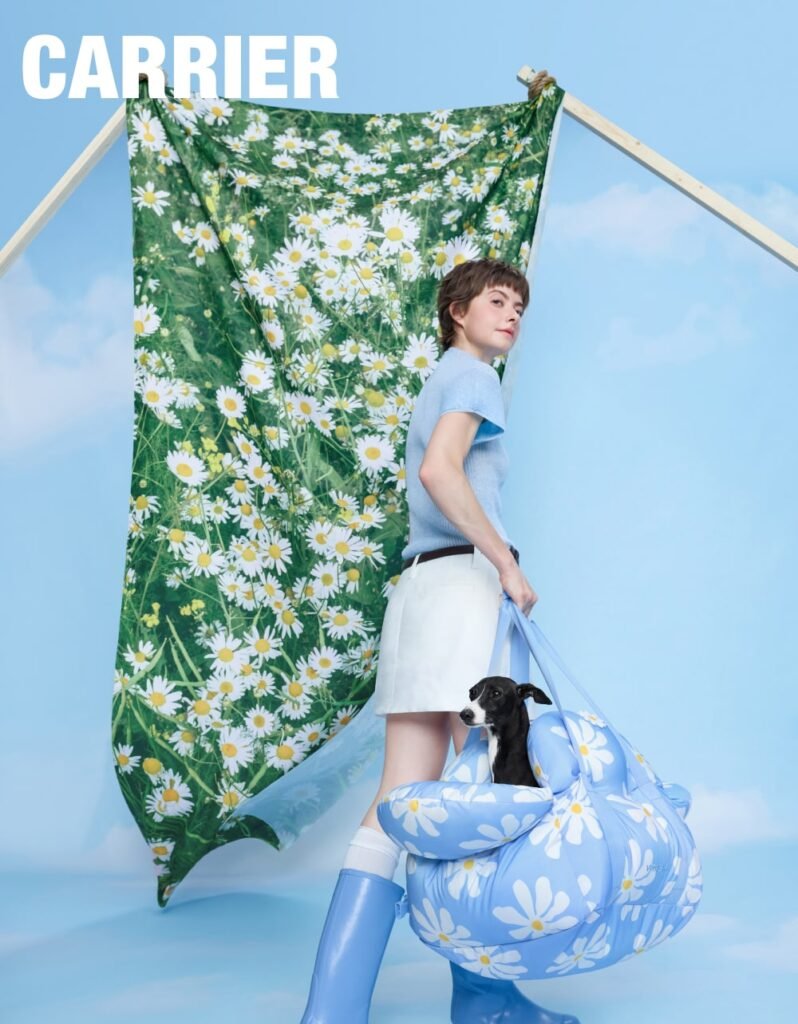
Vetreska’s founders met while studying at New York’s Fashion Institute of Technology (FIT). That education and early careers in fashion media and luxury brands (Roger Vivier, Vogue) shaped the brand’s attention to visual language, color palettes, and spatial thinking — skills they translated to pet furniture and accessories. The FIT-to-pet pivot explains why their product language feels like home interiors rather than traditional pet retail.
Product strategy: “co-living” objects, not commodity pet gear

Design rules that guide product development
Vetreska’s product playbook centers on three practical design rules:
- Home first: products must harmonize with everyday interiors (calm palettes, soft lines, quality finishes).
- Pet-centric function: structure and materials satisfy feline behavior and durability (stable platforms, sisal scratching surfaces, anti-splash litter trays).
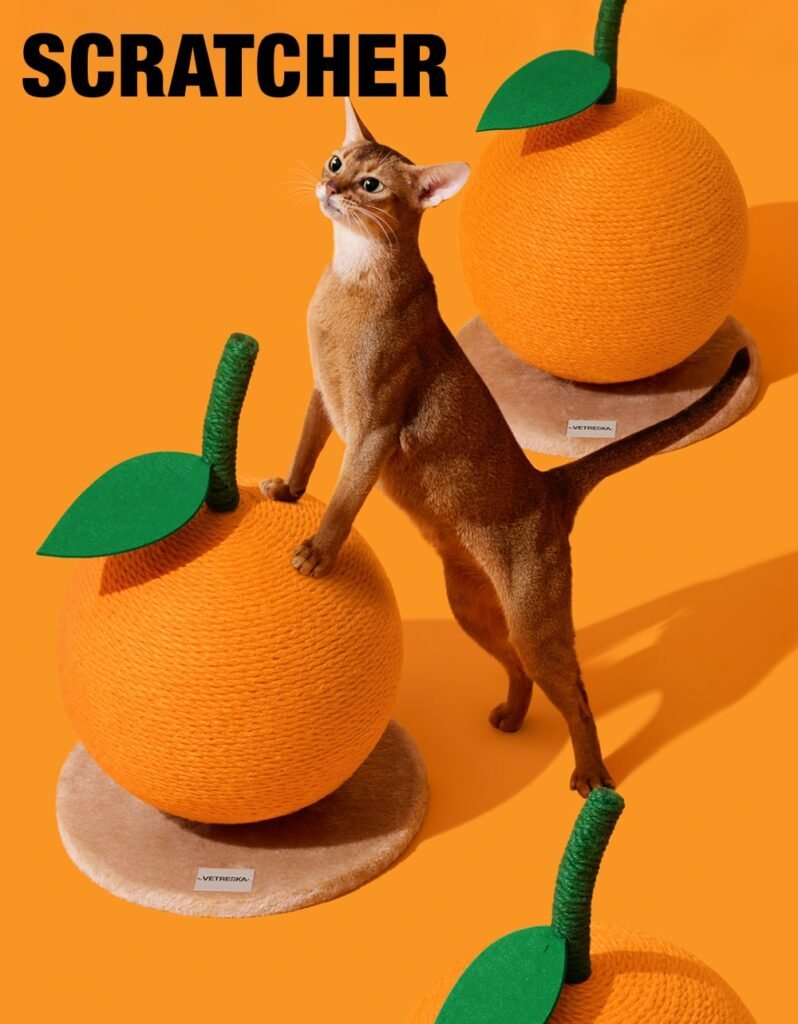
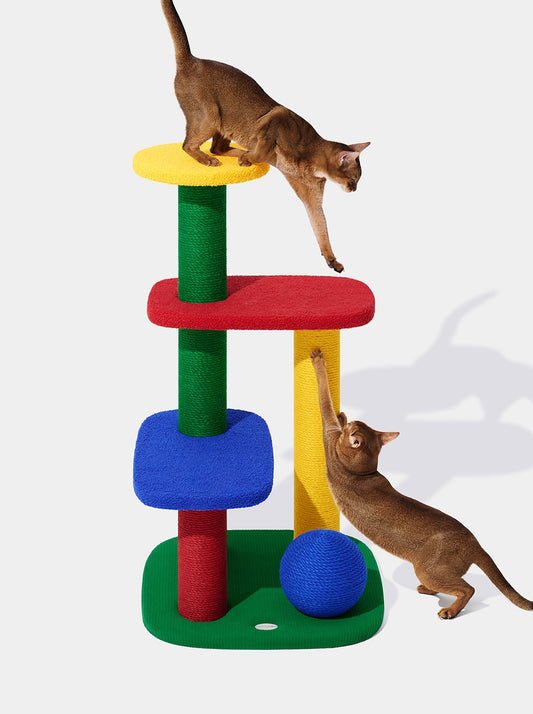
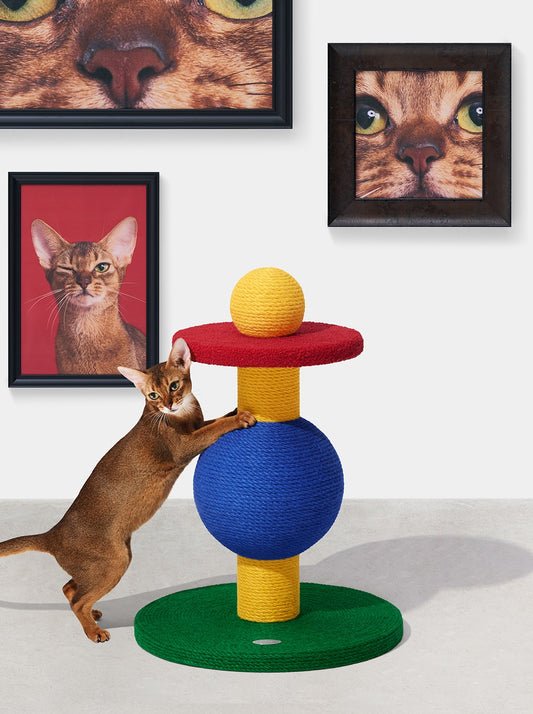
- Emotional utility: products encourage human–pet interaction and photography (e.g., dessert/fruity cat trees, the watermelon litter box) so they become shareable lifestyle objects.
The result: cat trees and litter boxes that double as decorative furniture — “co-living objects” that belong to both the pet and the home.
Hero SKUs and global traction

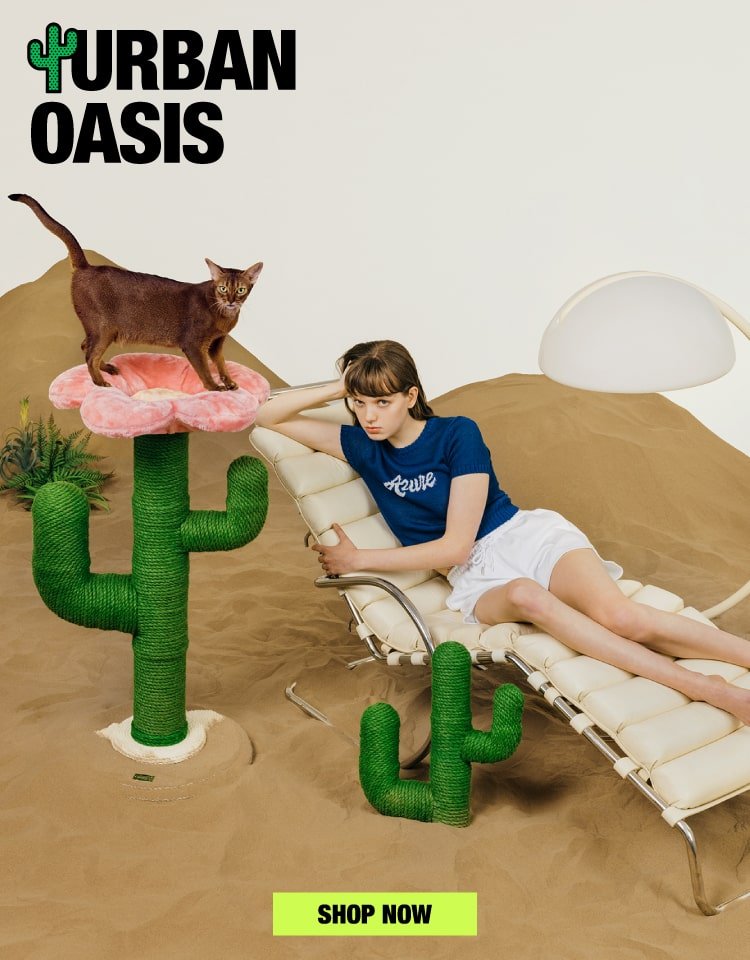
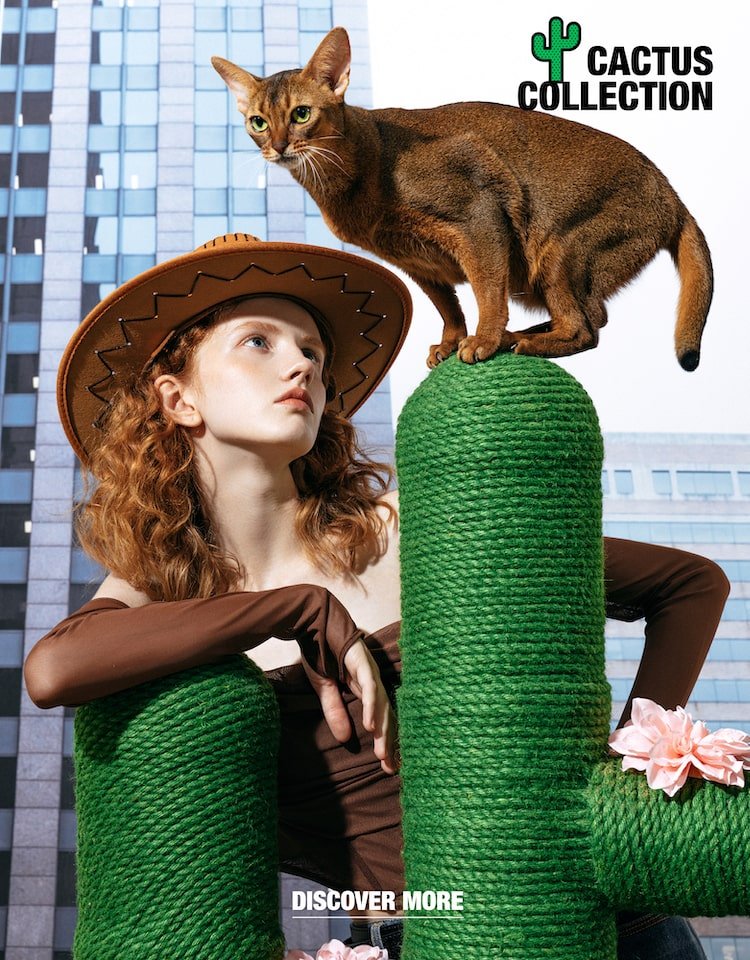
Vetreska’s themed cat trees (cactus, fruit/cherry designs, etc.) became visual anchors in social feeds and converted well on marketplace listings because they photograph and stage like editorial props. On Amazon and independent channels, these hero SKUs have historically ranked highly in pet furniture categories, serving as the brand’s distribution backbone. (See product pages and marketplace listings for examples.) Amazon+1
Go-to-market: content, creators, and UGC as scalable assets
Visual coherence over viral gimmicks
Rather than chasing viral spikes, Vetreska built a consistent visual system on Instagram, YouTube and TikTok: natural light, muted tones, domestic vignettes. This “slow content” approach became a recognition anchor — the look itself signals Vetreska to new audiences.
Creator strategy: layered credibility
Vetreska’s influencer mix includes:
- Niche pet creators (trust and product demonstration).
- Lifestyle creators (extend brand into non-pet audiences).
- Micro-UGC contributors (authentic customer content collected into product pages and ads).
Campaigns like #MyVetreskaMoment and #LiveWithVetreska turned customers into co-creators; top UGC content aggregated into product listings and ad creative, lowering production costs and improving conversion. By mid-2024 the brand reported large cumulative view counts across these tags on short-video platforms. (Company and media reports document this social focus.) petnewsbrief.com+1
Sales & distribution: marketplaces, DTC and global reach



Vetreska operated a hybrid model:
- Marketplaces (Amazon, local platforms): high reach and search traffic; product pages optimized as lifestyle lookbooks rather than spec sheets.
- Direct-to-consumer (DTC): brand experience, higher margin, and newsletter/retargeting channels.
- Cross-border distribution: Vetreska’s product assortment has shipped internationally and appears on global marketplaces; the company positions itself as a global pet lifestyle exporter. (Company site and press releases illustrate international availability.) VETRESKA Official+1
Funding and investor interest: what the numbers say
Vetreska attracted institutional capital early. Public reporting shows multiple investment rounds and significant backing from well-known investors in the China/Asia VC ecosystem:
- In 2020 Vetreska closed a Series B (reported at US$20M) led by ClearVue Partners, with participation from SIG (Susquehanna) and others.
- Company and trade reports mention further strategic investments and capital activity around 2022; additional reporting and data providers record total capital raised in the tens of millions across multiple rounds and noted participation from IDG and SIG China. (Different data sources report slightly different aggregated totals.)
Note on numbers: public datasets and media reports sometimes give varying totals for cumulative funding. Petin.AI recommends checking the company’s official filings and the most recent investor disclosures for precise, audited figures.
Brand lessons & playbook for pet industry pros (For The PET Pros)
Petin.AI’s analysis identifies replicable moves other pet brands can test:
- Design as differentiation: invest in product aesthetics that integrate with home décor — not just novelty.
- Content system, not one-off ads: build repeatable visual templates that creators and customers can replicate.
- UGC as conversion engine: curate customer content into listings and ads; reward contributors and build community tags.
- Hybrid distribution: use marketplaces for scale, DTC for brand control and margins, and localized partners for international reach.
- Communicate a lifestyle, not just specs: craft product pages with staged contexts and emotional cues to justify premium pricing.
These moves are actionable for small brands, mid-market players and retailers looking to trade up product ASPs through perceived lifestyle value.
Risks, headwinds and what to watch
- Feature homogenization in pet tech: as more brands add similar “smart” features, aesthetics and brand narrative will matter more.
- Supply chain & logistics: global SKUs like furniture increase complexity (dimensional freight, returns, customs).
- Sustainability & regulation: increasing consumer scrutiny on materials and claims requires transparency.
- Investor expectations: capital inflows come with growth and profitability expectations — watch unit economics as expansion accelerates.
Conclusion: Vetreska reframed what “pet supplies” can be

Vetreska’s rise underscores a broader lesson: when a pet brand moves from functional commodity to lifestyle artifact, it unlocks new customer cohorts, higher ASPs, and stronger storytelling. The company’s ability to apply fashion and editorial discipline to pet furniture — plus a creator/UGC-heavy content loop — allowed it to scale beyond conventional pet retail channels and position itself as a global pet-lifestyle label. For pet industry professionals, Vetreska is a case study in the power of design, content systems and hybrid distribution to revalue an entire product category.
Petin.AI: For The PET Pros
Petin.AI provides trend research, brand dissections, retail benchmarking, and tailored insights for pet industry professionals — from independent retailers to product managers and investors. For The PET Pros, we translate consumer signals, platform mechanics and creative playbooks into actionable recommendations for pet businesses.
Disclaimer & contact
This article synthesizes Petin.AI analysis with public reporting and company materials. Where public sources differ on figures (funding totals, GMV, units sold), we have cited representative reports; discrepancies may exist between databases and company disclosures. If you identify factual errors, data discrepancies, or potential rights/infringement issues in this article, please contact info@petin.ai for correction or removal.