Unlock this content
Wild One: A New Symbol of Luxury in the Pet Lifestyle Economy
The global pet consumption market is evolving rapidly toward premiumization. From five-star pet hotels charging thousands per day to luxury houses like Gucci and Hermès launching exclusive pet collections, consumers’ affection—and spending—on their pets is skyrocketing.
Since 2019, value-driven consumption upgrades have contributed over 50% of the pet market’s growth, indicating a clear shift: pets are now part of aspirational lifestyles, not merely companions.
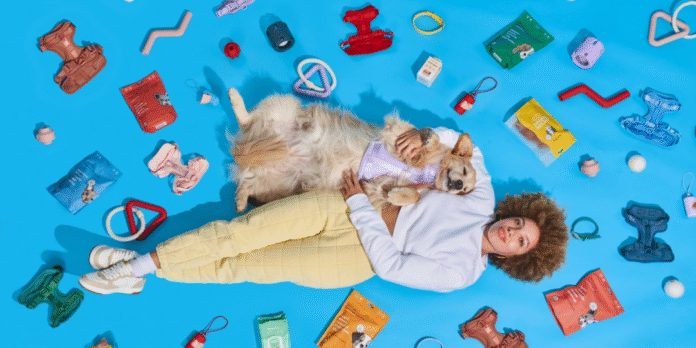
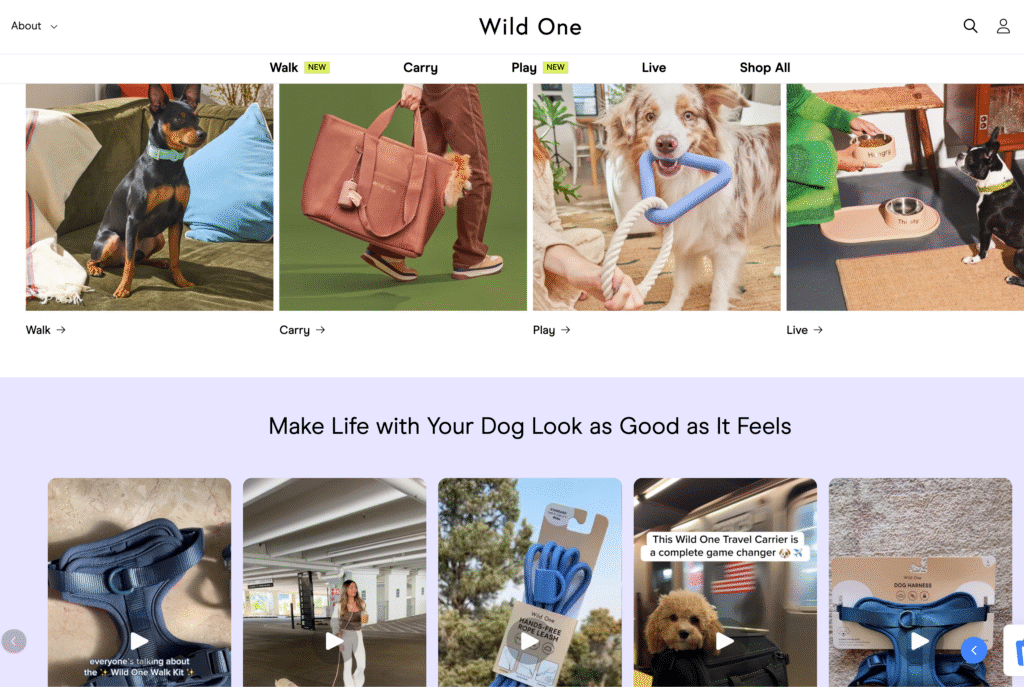
Among the innovators leading this shift is Wild One, a direct-to-consumer (DTC) pet brand founded in 2018. With sleek design aesthetics, functional innovation, and strong brand storytelling, Wild One has quickly become the “streetwear label” of the pet world, achieving annual revenues of over $30 million and establishing a cult following among Gen Z pet owners.
“We found that pet parents wanted design-led, no-compromise products that reflected their lifestyle and values,” said Bill Wells, founder of Wild One.
The Rise of High-End Pet Culture
Luxury brands entering the pet market—such as LV, Celine, and Gucci—signal a global trend: “People are willing to spend more on their pets than themselves.”
Pet industry analyst Li Zhongqi, Director of Asia Pet Research Institute, observes, “Tiered consumption and premiumization define the current pet economy. Quality, design, and emotional connection now drive purchasing decisions.”
This high-end shift is fueled by Gen Z, who view pets as family members and social partners. Their spending extends beyond food and healthcare into wellness, aesthetics, and lifestyle—areas where Wild One has built its competitive edge.
Brand DNA: Design, Quality, and Function
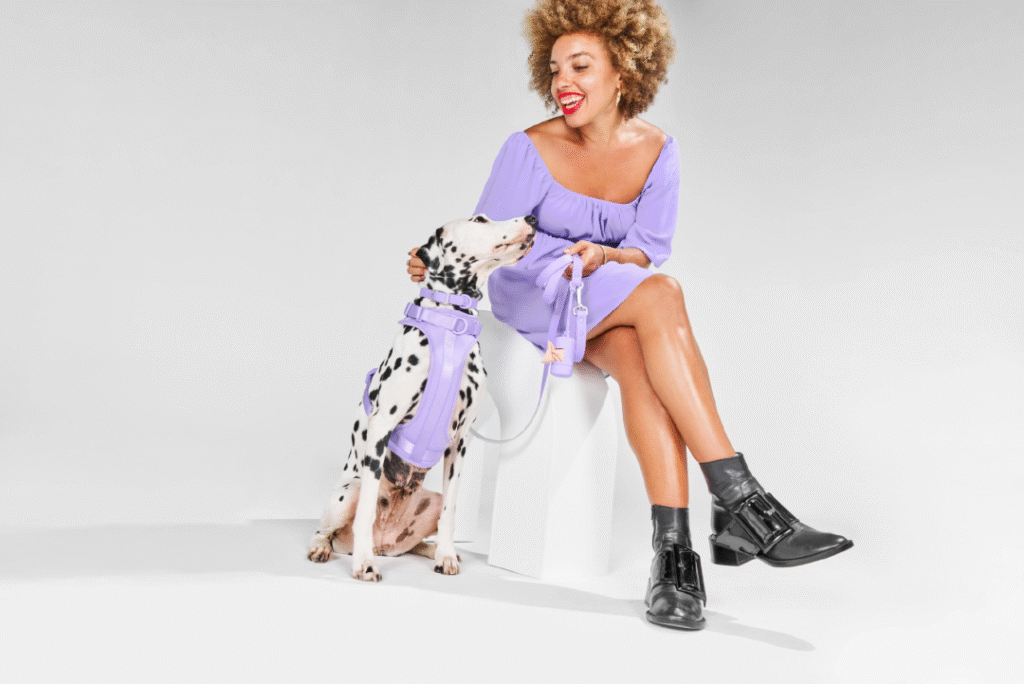
Wild One’s brand mission centers on “developing the best products for modern pet parents.” The brand collaborates with veterinarians and animal behaviorists to ensure each product balances function and beauty.
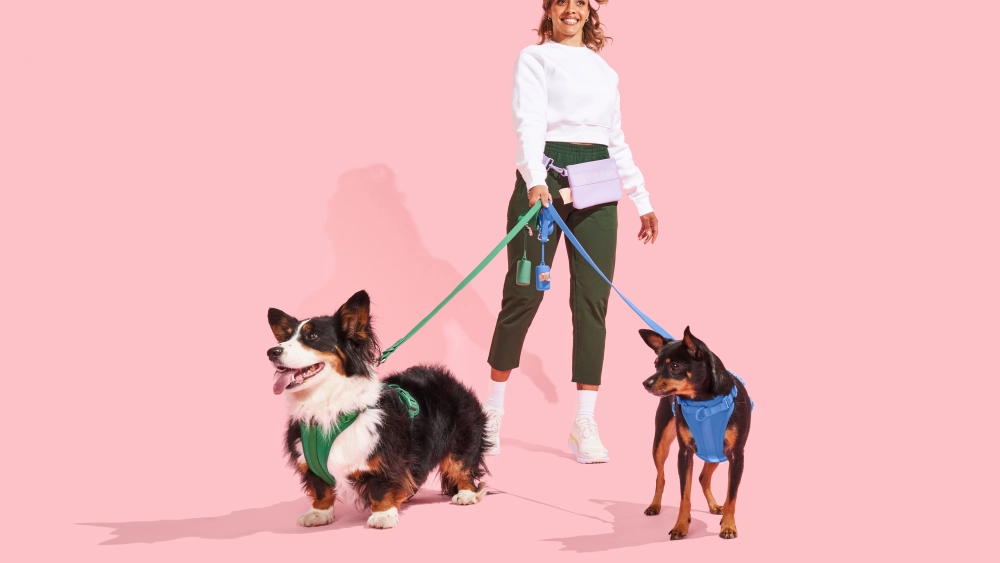
Its flagship Walk Kit—a leash, collar, and harness set retailing for $63—epitomizes its approach: minimalist design, ergonomic safety, and superior materials.
Despite premium pricing, customers embrace it for its safety innovations and aesthetic harmony, proving that emotional design can justify higher price points in pet products.
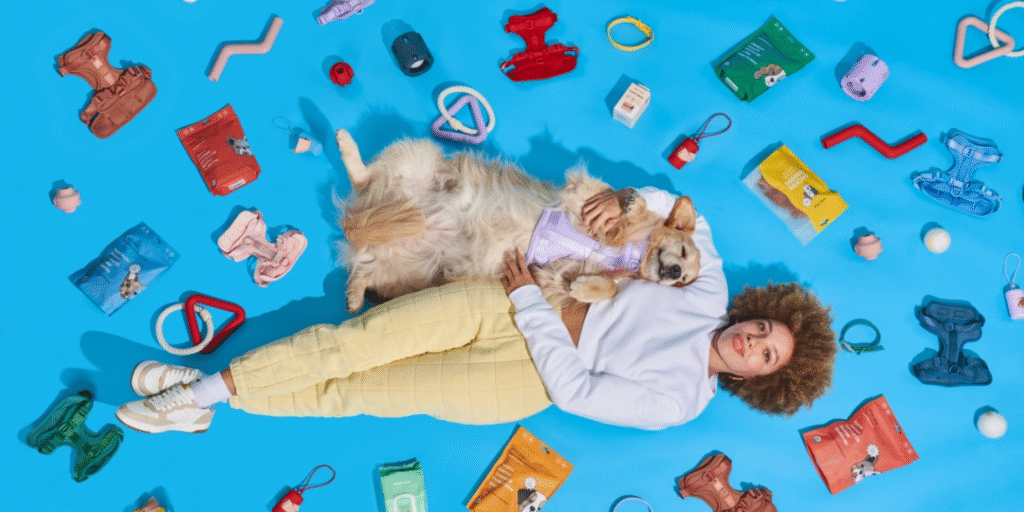
The Differentiator: Omnichannel Experience
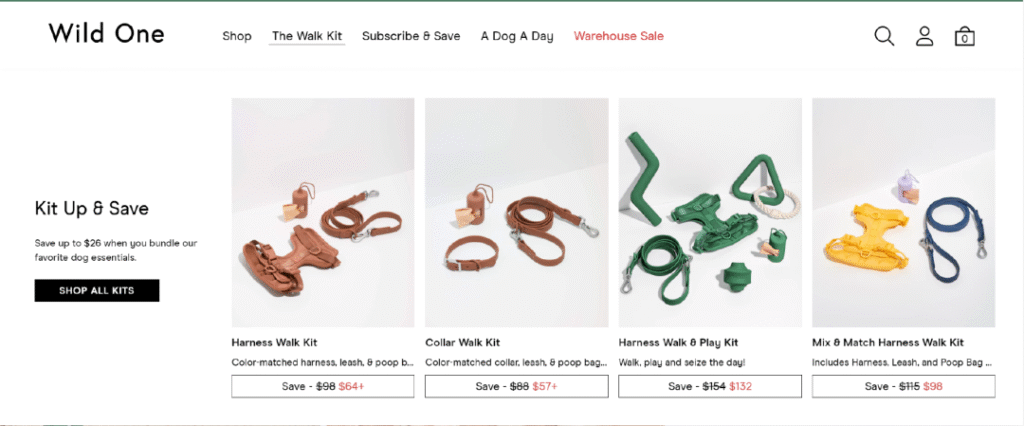
Online: A Feedback-Driven DTC Model
Wild One maximizes its DTC advantage through community engagement. User feedback surveys shape every iteration of its product line. Its customer service team interacts with hundreds of consumers daily, turning feedback loops into actionable design improvements.
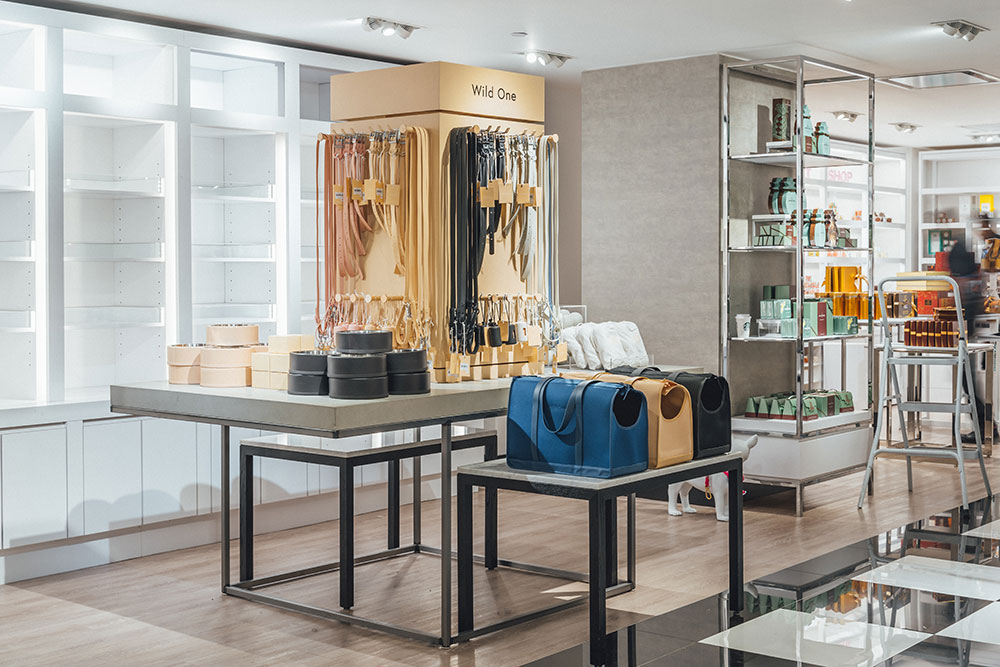
Offline: Community and Retail Partnerships
Beyond online success, Wild One’s partnerships with Nordstrom, Bloomingdale’s, and Anthropologie, as well as placements in Petco and Target, have doubled its reach. Offline, Wild One organizes pet-friendly community events—from summer parties to adoption drives—building brand loyalty and user-generated content that fuel its social ecosystem.
“We aim to create spaces where people and pets connect. Community is part of our brand DNA,” said Wells.
Social Responsibility and Emotional Resonance
Wild One’s “One Day, One Dog” initiative exemplifies its commitment to animal welfare. Its website displays real-time updates of dogs rescued through the brand’s contributions, appealing to Gen Z’s social impact values.
According to Deloitte data, over 80% of millennials and Gen Z consumers prefer brands that “give back.” Wild One translates this ethos into a transparent, actionable impact model—blending commerce with compassion.
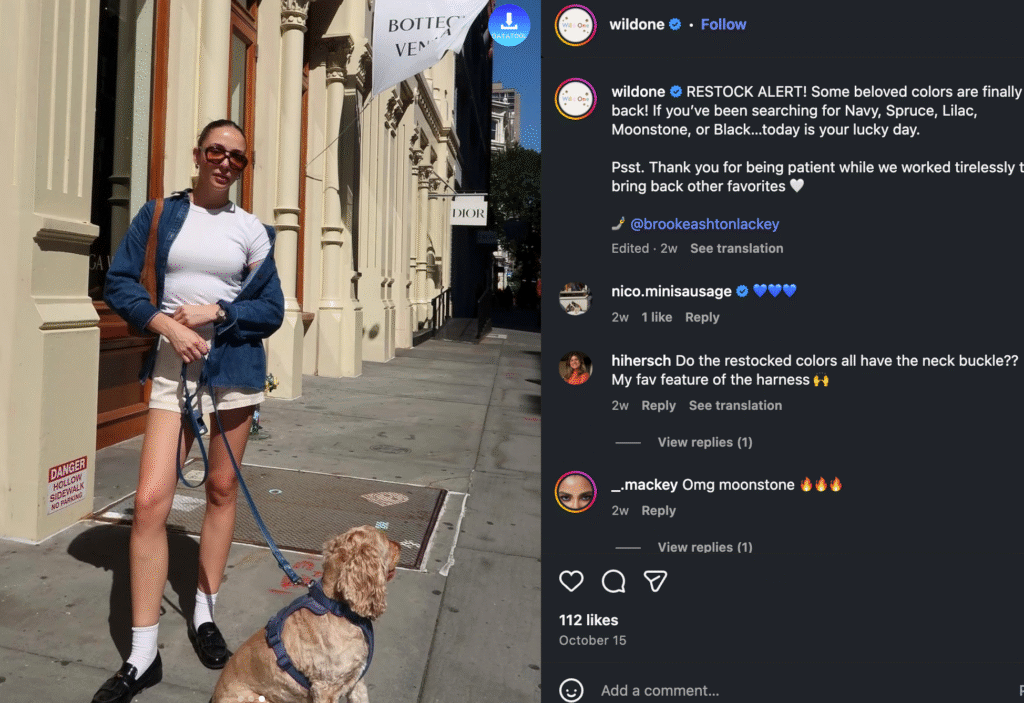
On social media, Wild One thrives as a pet lifestyle influencer brand. With over 170,000 followers on Instagram, UGC posts under the #WildOne tag amplify authenticity and community engagement, positioning the brand at the center of the pet fashion conversation.
Quote on Block
“Luxury in the pet world isn’t just about price—it’s about purpose, personalization, and emotional connection.”
— Petin.AI Industry Insight Team
Brand Insight: Lessons from Wild One
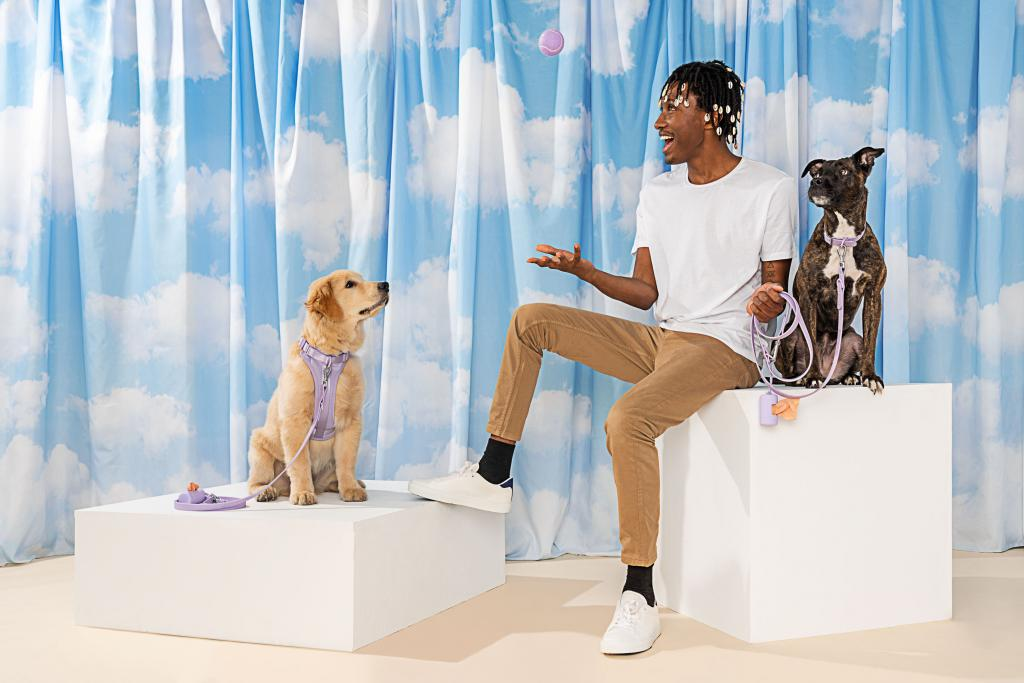
Wild One’s success underscores that premiumization in the pet sector isn’t about exclusivity—it’s about emotional inclusivity.
As the pet industry continues to evolve, brands that align product innovation with humanized pet experiences will lead the next wave of growth.
For companies and professionals exploring the pet market, this case study demonstrates that combining design thinking, social engagement, and authentic storytelling is the key to sustainable brand equity.
PETIN.AI serves professionals in the pet industry — For The PET Pros — providing all-round insights and market trends for industry players worldwide.
Disclaimer
This article is for informational purposes only. If there are data inaccuracies or potential copyright concerns, please contact info@petin.ai for corrections or removal.