In the highly competitive pet-accessory space, one brand has opted to chart a narrower, more adventurous path. Wilderdog, a California-based outdoor-dog gear company, has carved out a niche by supplying rugged, adventure-ready leashes, collars and gear. With a clear focus on the “dog + outdoors” scenario, the brand offers lessons for pet-industry professionals seeking growth in less-crowded corners of the market.
At Petin.AI, our charter is For The PET Pros: we deliver full-spectrum insights and trends tailored to pet-industry professionals. This case study explores how Wilderdog created a blue-ocean space, built an ecosystem of products, and gained recognition—all while staying true to its outdoors-first roots.
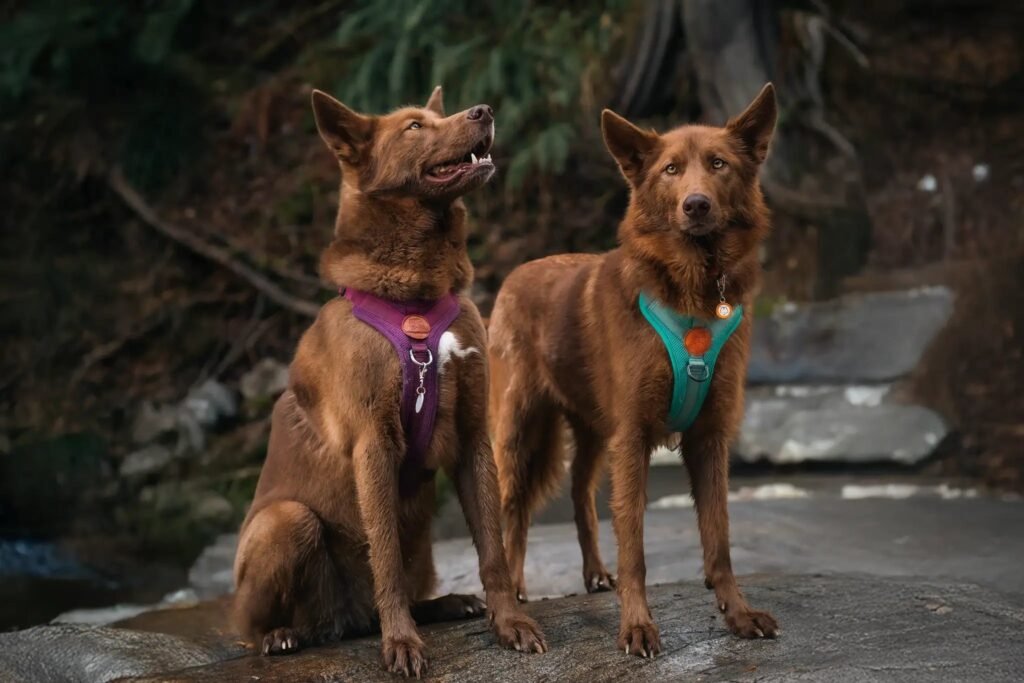
The Founding Story: From Real Outdoor Experiences to Market Disruption

The story of Wilderdog begins not in a boardroom, but around a campfire. According to their official blog, the idea emerged during a summer weekend camping trip in Northern California circa 2015, where a group of friends (and their dogs) found traditional pet leashes ill-suited for rugged terrain, climbing, skiing or biking. Wilderdog
They found themselves improvising: retired climbing ropes, old webbing, makeshift straps. This hands-on realization exposed a gap: most dog gear wasn’t built for the outdoors. The founders decided to address that by leveraging actual climbing rope—which is designed to bear heavy loads, resist abrasion, and handle the elements. Their first product: a climbing-rope leash with a locking carabiner.
They located operations in Sacramento, California, and launched under the name Wilderdog (previously “Wolfpack Supply”). Wilderdog This founding authenticity underpins the brand’s story and helps differentiate it in a crowded market.
Product Innovation: The Hiking Leash That Started It All
Focusing on a Niche to Capture User Mind-share
Rather than trying to be “every dog gear brand,” Wilderdog chose to focus on a specific use case: dogs on outdoor adventures—hikes, climbs, camping, water. This narrower positioning allowed them to define themselves as the brand for outdoor dog gear, rather than one among many general-purpose leash brands.
For example, their rope-leash models use actual climbing rope (e.g., 3/8” rope size, locking carabiner) and lengths like 5 ft or 10 ft. One review noted:
“The climbing rope? Well it’s climbing rope. If it can catch a human falling? It should be ok with your dog too.” Rebarkable
Such specifications appeal to serious outdoor-oriented dog owners. And indeed, user feedback supports durability:
“For collars and leashes I swear by Wilderdog. We camp, hike and swim a lot … they’re incredibly durable for all the outdoor activities.” Reddit
Building a Cohesive Product Ecosystem


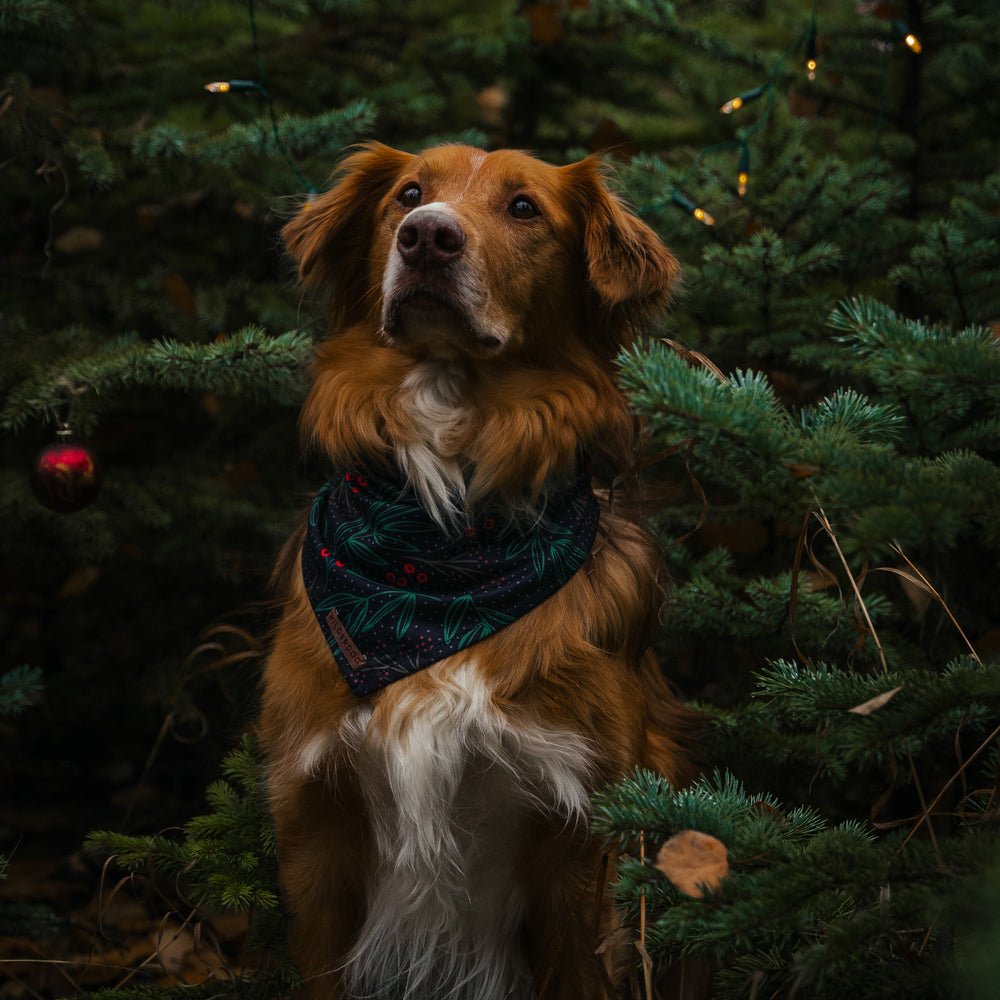
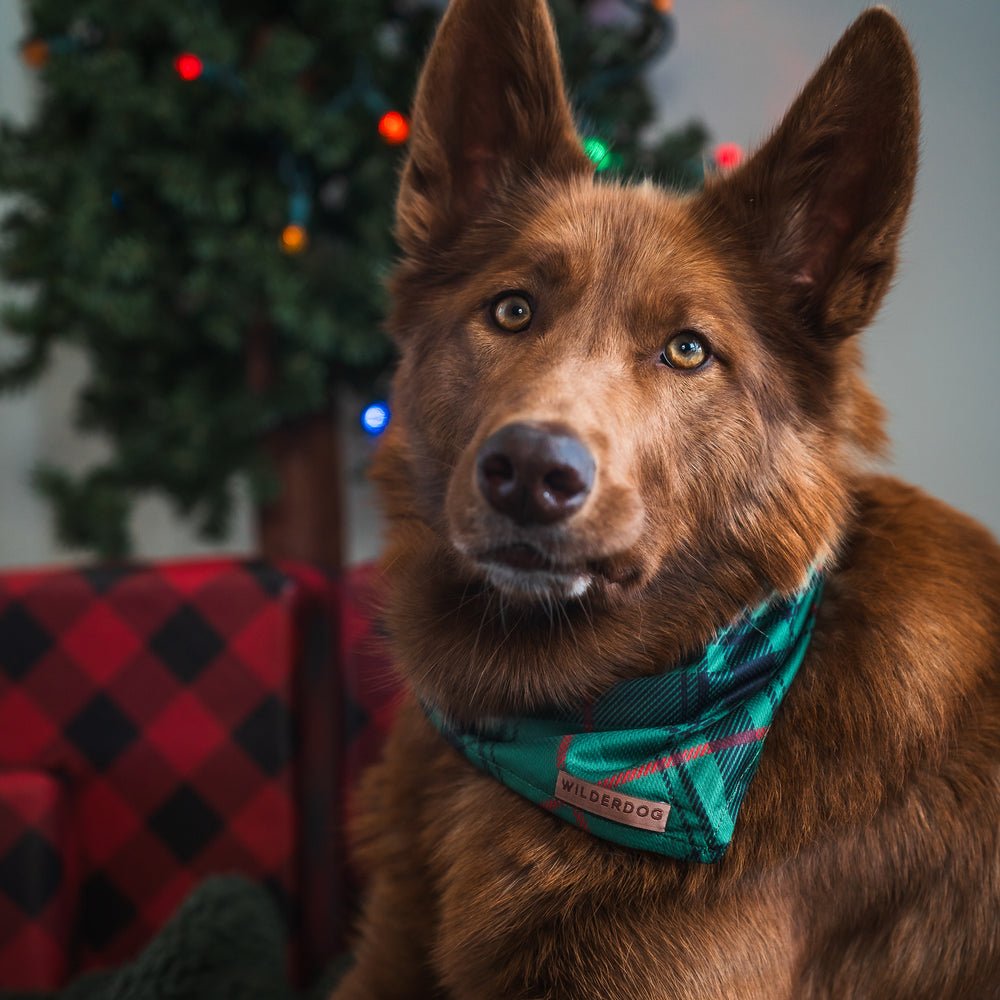

After mastering the leash, Wilderdog expanded into a wider gear line—harnesses, collars, waterproof webbing, sleeping bags, utility bags, bandanas—all aligned with the “adventure dog” identity. According to one UK retailer blog:
“Wilderdog has been crafting gear for dogs on adventures since 2015. … Whether you are looking for a rope dog lead or a waterproof dog collar, Wilderdog will be a great brand to choose from.” Saffron Pawtique
They maintain consistent design language: rugged materials, climbing-rope aesthetic, carabiners or quick-clips, and a “lifetime warranty” promise. Wilderdog+1
This ecosystem strategy supports higher customer lifetime value: once a buyer picks up the leash, they may return for a matching collar, harness, or accessory built for the same outdoor context.
Strategic Expansion: Scenario-Based Horizontal Growth
Avoiding Vertical Pricing for Horizontal Diversification
Rather than adopting a traditional tiered model (entry → mid → pro), Wilderdog grew horizontally by identifying multiple outdoor scenarios: hiking trails, water activities, camping, urban outdoor. They introduced products tailored to each scenario—for instance, “Island Reflective” rope leash for low-light hikes, waterproof webbing for water outings, sleeping bags for dogs at camp.
This horizontal expansion means customers choose based on usage not simply price tier—thereby preserving brand coherence while addressing diverse needs.
Covering Diverse Needs While Maintaining Brand Identity
Even as the product line expanded into harnesses, dog apparel, accessories, the brand stayed anchored in the outdoor-adventure aesthetic. Its marketing emphasizes adventure, durability and simplicity—not lifestyle fashion or urban luxury. That clarity of identity gives position strength in the niche.
Moreover, user reviews and third-party coverage highlight both the strengths (“durability”, “really strong leash”) and trade-offs (“heavy rope for small dog”, “price premium”) which underscores authenticity.
For pet-industry professionals, this demonstrates how a brand can scale beyond one “hero product” into a wider range, while still preserving core story and audience alignment.
Insights for Pet Industry Professionals – For The PET Pros
As part of Petin.AI’s mission, we bring actionable insights for small-store owners, online retailers, and B2B wholesalers. Here are key take-aways from Wilderdog’s case:
• Niche Targeting
By focusing on “dogs + outdoor adventure” rather than “every dog owner”, Wilderdog escaped the red sea of generalist competition. For you as a supplier, retailer or wholesaler: identify underserved micro-segments (e.g., skate-boarding dogs, senior dog rehab gear, travel crates for vans) to reduce head-to-head competition.
• Product Ecosystem Strategy
Starting with a standout hero product (the rope leash), then building complementary gear, helps increase repeat purchase and builds brand loyalty. Consider your B2B customers: offer bundle opportunities (leash + harness + accessory) and cross-sell within the niche.
• Online Visibility – SEO & GEO
For outdoor dog gear, SEO-friendly keywords matter. Use terms like: “outdoor dog leash”, “rock climbing rope dog lead”, “waterproof dog collar hiking”, “camping dog harness”. Also use geo terms: “hiking gear for dogs California”, “dog adventure gear UK retailer”. Wilderdog’s origin story in California (Sacramento) adds authentic local flavour which supports geo-targeting.
Use long-tail keywords: e.g., “durable climbing rope leash for dogs 10 ft”, “locking carabiner dog leash for hiking”. And for GEO: “dog hiking gear UK”, “outdoor dog accessories Europe”.
• Brand Storytelling & Authenticity
Wilderdog’s genuine outdoor-adventure founding story resonates. For B2B operations (small pet stores, online merchants): craft your own story (supply-chain transparency, founder-story, social mission). For instance, Wilderdog donates “one cup of kibble for every order placed”. Wilderdog This adds emotional value for dog-owners and retailers alike.
• Wholesale & Small-Batch Opportunity
If you’re supplying to small retailers, highlight how this kind of brand (niche, premium, story-driven) is suited for smaller batch orders and differentiated shelf-positioning. Instead of ordering thousands of generic leashes, offering a niche premium brand can command higher margin and less direct price competition.
Conclusion and Disclaimer
The story of Wilderdog illustrates how a pet-gear brand can lean into a specific scenario (outdoor adventure), create a standout hero product (climbing-rope leash), build an expanding but cohesive gear ecosystem, and maintain strong brand identity—all while delivering for a niche audience.
For pet-industry professionals—from small brick-and-mortar retailers to online B2B wholesalers—the lessons are clear: identify your niche, build authentically, expand horizontally, and use story + SEO + GEO to differentiate. Equipped with these insights from Petin.AI, you can explore new growth lanes in the evolving pet market.
Disclaimer: This article is based on publicly available information and Petin.AI’s analysis. While we strive for accuracy, there may be discrepancies in data or unintentional copyright issues. If you believe there is an error or potential infringement, please contact us at info@petin.ai for correction or removal.