From Fitness Bands to Clinical-Grade Health Guardians
Transforming Pet Wellness Through Continuous Monitoring and Predictive AI
Quote on Blocks
“We are transitioning from reactive treatment to predictive, preventative care. This is the future of veterinary medicine.”
— Dr. Emily Thorne, DVM
The Shift Toward Data-Driven Pet Health
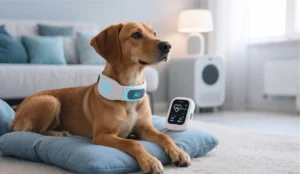
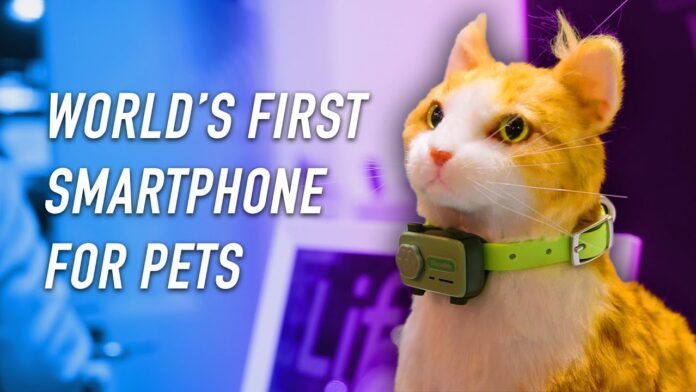
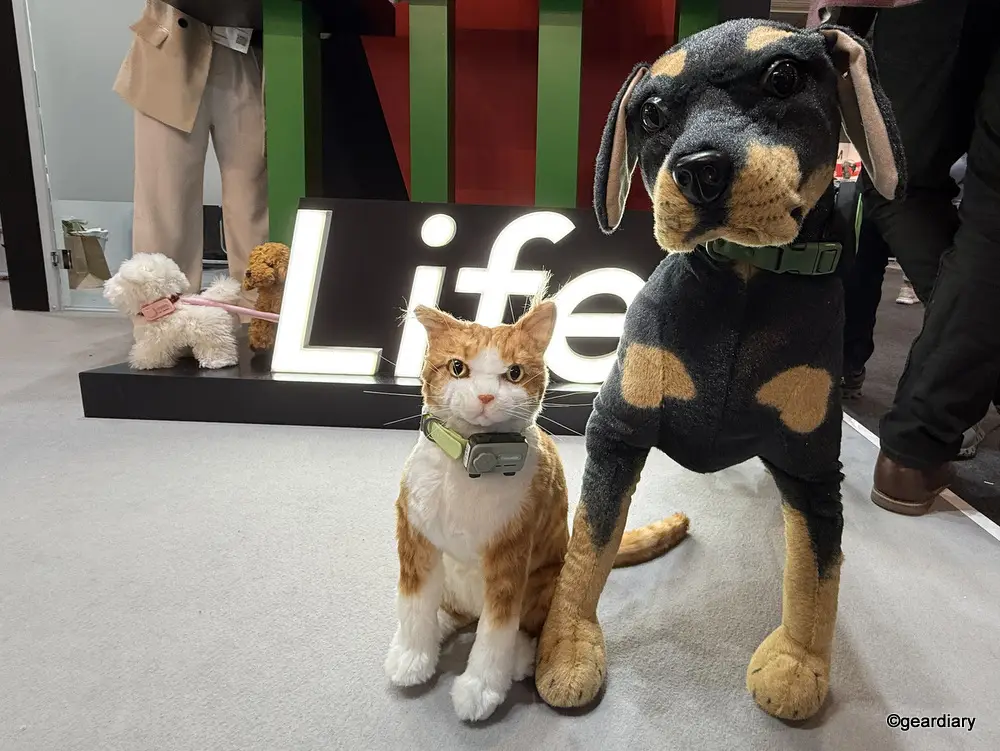
The global pet industry is experiencing a transformative leap—from simple GPS trackers to intelligent, data-rich health monitoring systems. These advanced wearables are changing how professionals approach animal wellness.
For The PET Pros—veterinarians, clinic managers, breeders, and pet business owners—this evolution is more than technological. It’s reshaping clinical protocols, service models, and the very definition of proactive care.
Today’s devices no longer just track activity; they generate actionable health intelligence, empowering professionals to prevent disease rather than respond to it.
The Data Gap in Traditional Pet Care
For decades, a pet’s health evaluation depended on occasional vet visits and observable symptoms. But visible symptoms often emerge after significant disease progression.
Research from the Journal of Veterinary Internal Medicine found that chronic kidney disease in cats is typically diagnosed only after up to 75% kidney function loss—a gap that highlights the need for continuous, real-time data.
This gap presents not only a clinical challenge but also a massive opportunity for the pet tech industry.
Early Pet Trackers: Useful but Limited
The first generation of wearables—focused on GPS and basic step tracking—helped improve safety and activity awareness. Yet they lacked the clinical depth required for true health management.
They could answer “how active?” but not “why inactive?” or “what physiological change caused it?”. Without multi-sensor data, meaningful interpretation remained out of reach.
The New Frontier: Multi-Sensor Biomarker Detection
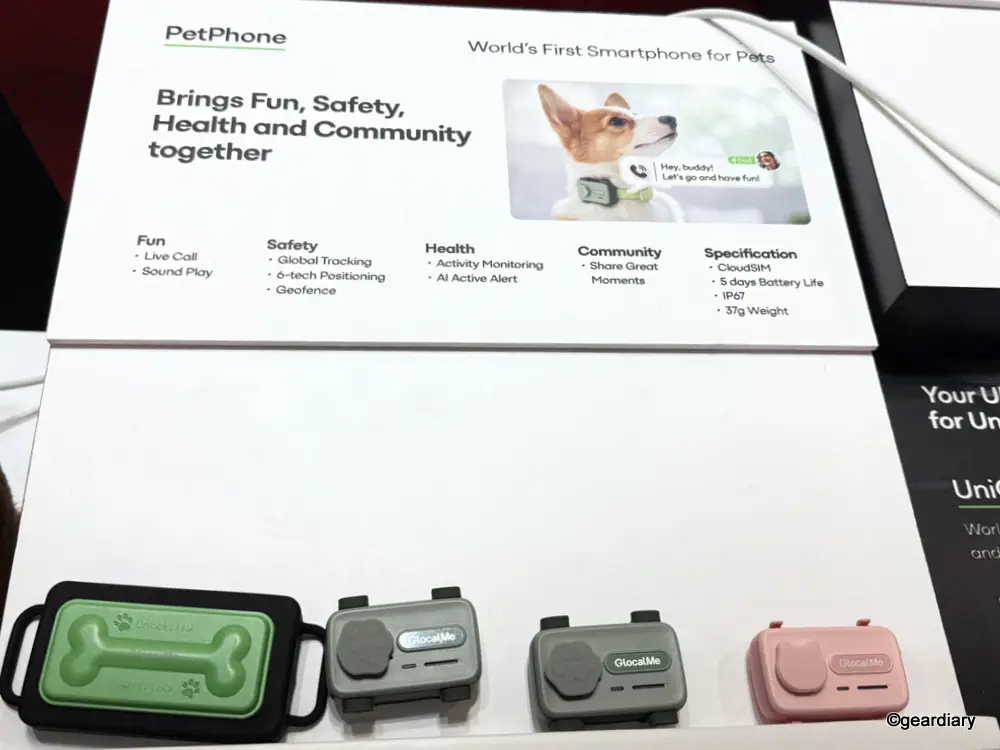
Modern smart collars and harnesses, like the VitaTrak Pro and CanineSense Alpha, now include advanced biosensors that collect a range of real-time metrics:
- Heart Rate Variability (HRV) – Indicates stress, recovery, and nervous system balance.
- Resting Respiratory Rate (RRR) – Detects early signs of heart or respiratory issues.
- Skin Temperature – Monitors inflammation, fever, or stress responses.
- Sleep Quality Patterns – Reveal pain, anxiety, or illness indicators.
These continuous data streams create an individual “health baseline.” When deviations appear, AI algorithms alert owners and professionals before clinical symptoms arise—a leap toward truly preventative veterinary care.
Integrating AI: Predictive Health Intelligence
Artificial Intelligence now sits at the core of next-generation pet wearables. By analyzing millions of anonymized data points, AI can identify hidden correlations and flag early disease risks.
According to the 2024 PetTech Analytics Report, the smart health wearable market is set to grow 300% by 2027, driven by demand from both consumers and veterinary clinics.
Case Example: Early Lyme Disease Detection
A Labrador named Buster, equipped with a VitaTrak Pro, showed subtle shifts—slightly elevated heart rate and reduced deep sleep. The system’s AI cross-referenced regional data and flagged a tick-borne illness risk.
A vet visit confirmed early-stage Lyme disease, allowing prompt treatment before any serious complications.
This case illustrates how predictive alerts save lives, reduce costs, and build stronger client relationships.
The Veterinary Dashboard Revolution
For clinics, wearable integration is becoming a cornerstone of digital veterinary practice. The latest dashboards allow professionals to:
- Monitor Post-Operative Recovery – Track vital signs remotely, reducing readmissions.
- Manage Chronic Illness – Receive automated alerts for out-of-range respiratory or cardiac data.
- Improve Client Engagement – Share visual health reports that boost owner compliance and trust.
By merging patient data, vet expertise, and AI-driven insights, these systems enable a collaborative care model where every stakeholder contributes to the pet’s well-being.
The Connected Future: Integrated Pet Health Ecosystems
The next phase of innovation is the interconnection of data streams—uniting wearable metrics with other digital health tools.
Emerging Integrations Include:
- EHR Synchronization – Auto-upload of vital stats into veterinary records.
- Personalized Nutrition & Medication – Data-driven diet and dosing recommendations.
- Pet Insurance Partnerships – Lower premiums for monitored pets, rewarding proactive care.
This convergence marks the rise of holistic, data-enabled veterinary ecosystems—where prevention, treatment, and management flow seamlessly together.
Conclusion: The Smart Wearable Era of Preventative Care
The age of smart pet wearables has arrived. What began as fitness trackers has evolved into clinical-grade health guardians, capable of predicting disease before it manifests.
For The PET Pros, adopting these tools means not only staying ahead of the curve but also redefining the standard of care itself. Through data, insight, and connectivity, the industry is forging a future where pets live longer, healthier, and happier lives—supported by continuous, intelligent care.
About PETIN.AI
PETIN.AI provides comprehensive industry insights and market intelligence For The PET Pros—pet industry professionals seeking the latest trends, data, and innovations that shape the global pet economy.
Disclaimer
This article is for informational purposes only and does not constitute veterinary or professional advice. Mentioned products and companies serve as examples for industry discussion. All data and projections are based on publicly available sources. While accuracy is a priority, Petin.AI is not responsible for any discrepancies or decisions made based on this content.
If there are data inaccuracies or copyright concerns, please contact us at info@petin.ai for correction or removal.